Virat Kohli and the Discipline of Showing Up
Cricket · Mindset · Inspiration

I never planned on writing about cricket on my personal website. But some people influence you beyond their field, and Virat Kohli is one of those people for me.
What inspires me about Kohli isn’t the trophies or the numbers everyone already knows. It’s the discipline behind them. The kind that shows up quietly, daily, without needing applause.
There was a time when his form dipped. For someone who had spent years dominating, that phase felt uncomfortable to watch. The noise got louder, opinions got sharper, and expectations didn’t ease up.
What stood out to me was how he responded not with excuses, not with shortcuts, but with consistency.
In my own work—building systems, writing code, solving problems—there are days when progress feels invisible. Things break. Solutions don’t come instantly. Motivation drops. Earlier, I used to wait for the “right mood” to work properly. Now I know better.
Kohli’s journey taught me that professionals don’t wait for motivation; they rely on discipline.
You sit down and do the work.
You fix what’s broken.
You improve one small thing at a time.
Not because it’s exciting, but because it’s necessary.
That’s the quiet inspiration Virat Kohli gave me. And it’s one I try to live by, every single day.
Mumbai: Chaos and Dreams
City · Life · Growth
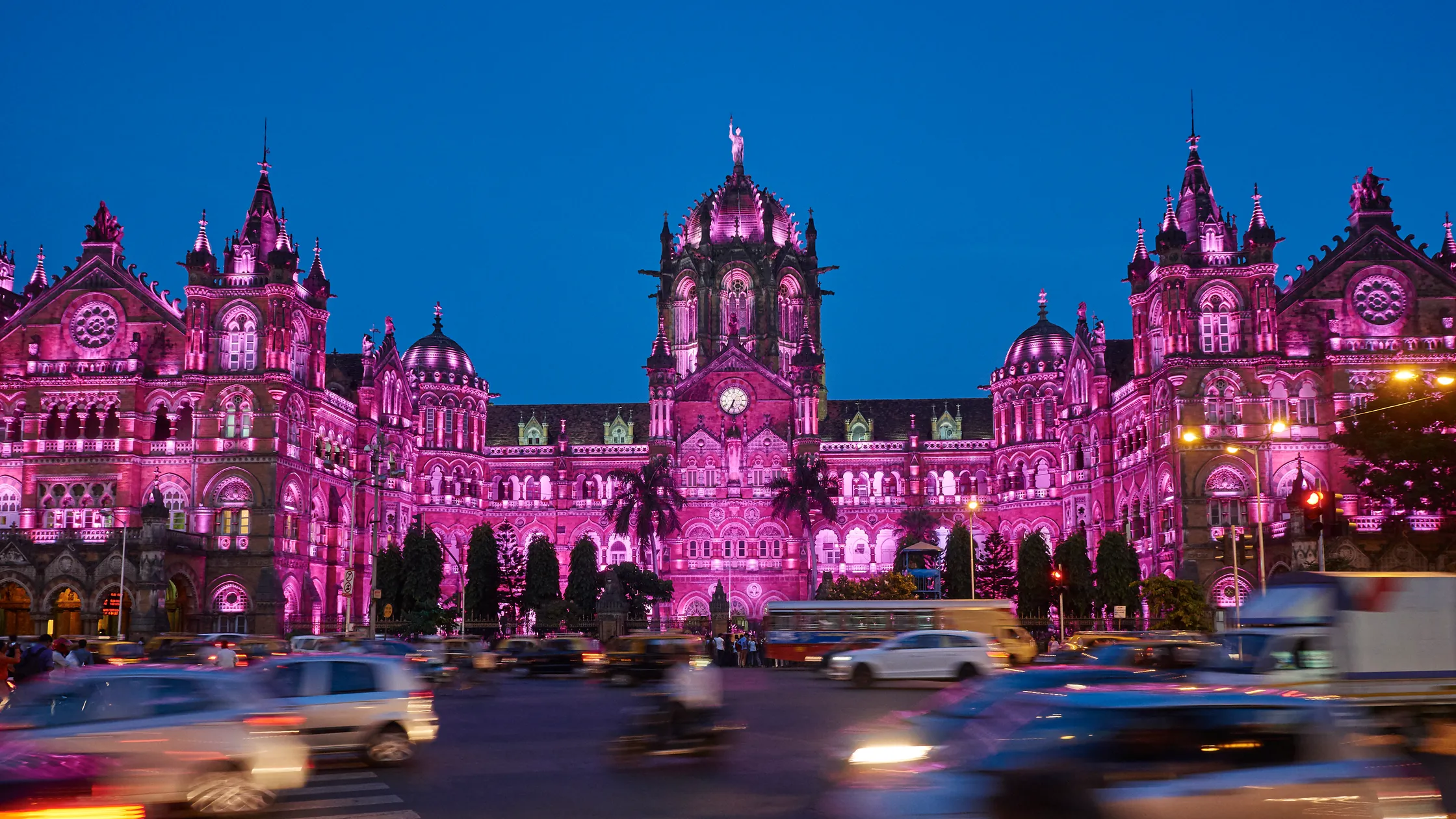
I was born and brought up in Mumbai. So when I talk about this city, it’s not from the outside. It’s from living it every single day.
Mumbai isn’t easy. Anyone who says otherwise hasn’t spent enough time here.
There’s traffic that drains your energy.
Local trains that push personal space to its limits.
Days that feel rushed, loud, and unforgiving.
That’s the side people usually notice first.
But Mumbai is also exactly what you choose to take from it. If you come here expecting comfort, it will disappoint you.
If you come here ready to work, it will slowly open doors.
Yes, there’s chaos. Yes, things are overcrowded. And yes, many bad things happen—not because the people are bad, but because systems fail, governance fails, and ordinary people end up paying the price. That part is real, and it shouldn’t be ignored.
Still, reducing Mumbai to only its problems misses the bigger picture.
This city teaches you patience without lectures.
Strength without motivation speeches.
Discipline without rules being spelled out.
What stays with me is the quiet resilience of the people. The office worker standing in a packed train every morning. The street vendor who shows up daily no matter the weather. The student chasing a future in a city that never slows down.
There’s something grounding about growing up in a place like this. It makes you realistic. It makes you independent. It teaches you that progress comes from consistency, not comfort.
I’ve had frustrating days here. I’ve complained about the traffic, the crowd, the noise—just like everyone else. But when I think honestly about where I’d rather be, there’s no debate.
I wouldn’t choose any other place.
Not because Mumbai is perfect—but because it’s real.
It gives back what you put into it.
And if you stay long enough, it shapes you into someone stronger than you were before.
That’s the Mumbai I know.
And that’s home.
Politics, Power, and Responsibility
Politics · Society · Thought
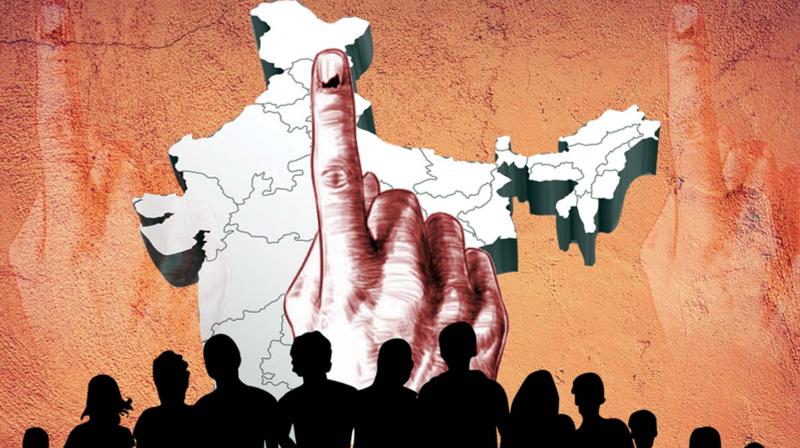
This isn’t about one city, one party, or one government.
This is about something bigger—and honestly, more uncomfortable.
Politics was meant to serve people. Somewhere along the way, power became more important than responsibility.
The frustrating part isn’t that problems exist. Every system has flaws.
The frustrating part is when those flaws are ignored, defended, or normalised.
Power without accountability slowly breaks trust.
And once trust is broken, even good intentions start feeling suspicious.
What bothers me most is how often responsibility is passed around like a burden no one wants to carry. Files move. Statements are made. Promises are repeated. But action—real action—moves painfully slow. Meanwhile, ordinary people adapt, adjust, and suffer quietly.
Progress doesn’t come from speeches.
It comes from accountability.
From transparency.
From putting people before power.
Until that balance is restored, systems will keep failing—not because people aren’t capable, but because the structure above them is flawed.
And that’s the part we shouldn’t stay silent about.
Technology, Change, and Responsibility
Technology · AI · Progress

Technology has always changed how we live. The difference now is the speed.
In just a few years, the way we work, learn, and solve problems has shifted more than it did in decades before. Tools are smarter. Systems are faster. Information is more accessible than ever. And for the first time, technology doesn’t just assist us—it thinks alongside us.
AI, when used right, feels less like a replacement and more like leverage. It reduces repetitive work, shortens problem-solving time, and lets people focus on decisions that actually need human judgment. For builders, developers, and problem-solvers, this is powerful.
I see its value in small, practical ways. Faster debugging. Better insights. Clearer patterns. Less time wasted on tasks that don’t move things forward. When used responsibly, technology doesn’t remove effort—it redirects it to where it matters.
The real potential isn’t in how advanced these tools become, but in how thoughtfully they’re used. Technology can improve systems, increase access, and level the playing field—but only if the intent behind it is right.
AI won’t fix broken thinking. But in the hands of people who care about outcomes, it can strengthen decision-making, improve efficiency, and open possibilities that weren’t practical before.
Progress has never been about choosing between humans and machines. It’s about how well we design systems that support people.
Used with clarity and responsibility, technology isn’t something to fear.
It’s something to build with.